




Customers expect brands to recognise them wherever they shop: online, in-store or via mobile. Omnichannel personalisation in eCommerce means using connected customer data and insights to create consistent, relevant experiences across every channel, allowing retailers to deliver personalised interactions throughout the entire shopping journey. From personalised product recommendations online to tailored offers in-store, omnichannel personalisation is becoming a competitive necessity.
What Is Omnichannel Personalisation in eCommerce?
Omnichannel personalisation in eCommerce is the practice of using customer information, such as browsing behaviour, purchase history, preferences and engagement data, to deliver relevant experiences across multiple channels.
Rather than treating online, mobile and physical stores as separate environments, retailers create a connected journey where customer interactions inform future experiences. For example, a customer who browses a product online may later receive a personalised mobile offer, see relevant recommendations in-store or be shown complementary products through a loyalty app.
The success of omnichannel personalisation depends on accurate, high-quality data and responsible use of customer information. Retailers must ensure data is reliable, securely managed and collected with appropriate customer consent to build trust while delivering relevant experiences.
Connecting Online Behaviour to In-Store Journeys
The foundation of omnichannel personalisation is effective data integration. By linking customer profiles, purchase history, browsing behaviour and loyalty information, retailers can better understand customer needs and deliver contextually relevant interactions.
For example, a customer browsing running shoes online might receive a mobile notification highlighting local store availability, then see personalised recommendations for matching apparel when visiting a physical location. Alternatively, an in-store customer using a loyalty app could receive follow-up product suggestions based on their recent purchase.
This connection between digital and physical experiences reduces friction, improves convenience and creates a more consistent customer journey.
Personalised Kiosks and In-Store Technology
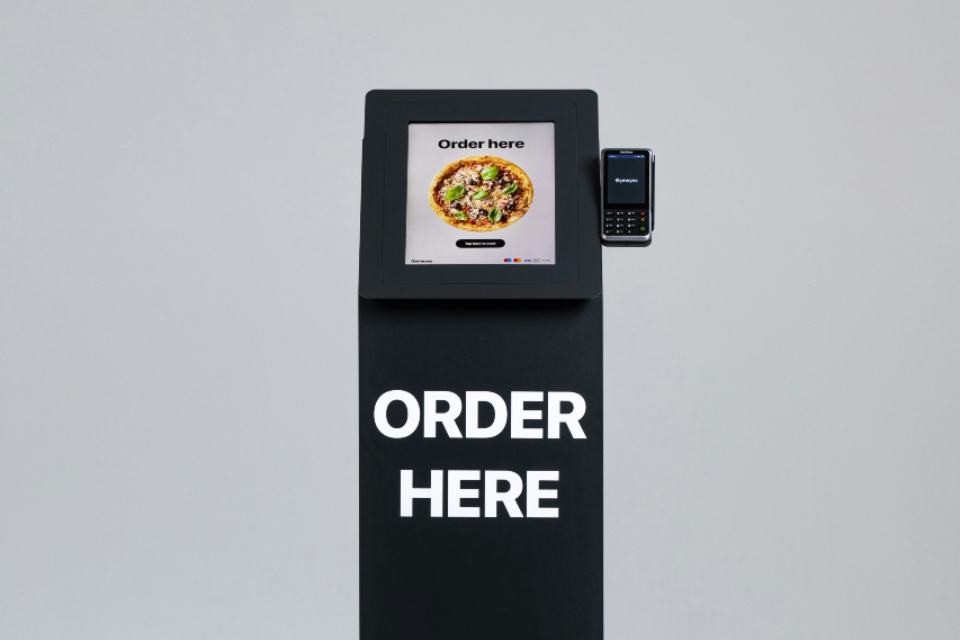
Interactive kiosks, smart mirrors and connected store technology are increasingly being deployed to bridge the gap between online and offline retail.
Customers can log in through a QR code, mobile app or loyalty account to access personalised product suggestions, check stock availability, view recommendations or redeem targeted promotions.
These tools improve the in-store experience while also generating valuable behavioural insights that can support future digital campaigns, product recommendations and personalised messaging.
Loyalty Programmes as the Foundation for Personalisation
Loyalty programmes remain one of the most effective ways for retailers to deliver omnichannel personalisation. By connecting loyalty data across online and physical channels, brands can create more relevant offers and improve customer retention.
Retailers can use loyalty insights to provide:
- Personalised discounts based on previous purchases
- Product recommendations based on browsing and buying behaviour
- Mobile offers triggered by customer activity
- In-store promotions linked to online engagement
With AI integration, loyalty platforms can increasingly predict customer needs and suggest relevant products, creating a seamless combination of convenience, recognition and reward.
Operational Integration Is Key
True omnichannel personalisation requires more than adopting new technology. Retailers must break down internal silos between eCommerce, marketing, customer service and store operations.
Pricing, promotions, inventory availability and customer information need to be aligned across systems so that personalised experiences remain accurate and consistent.
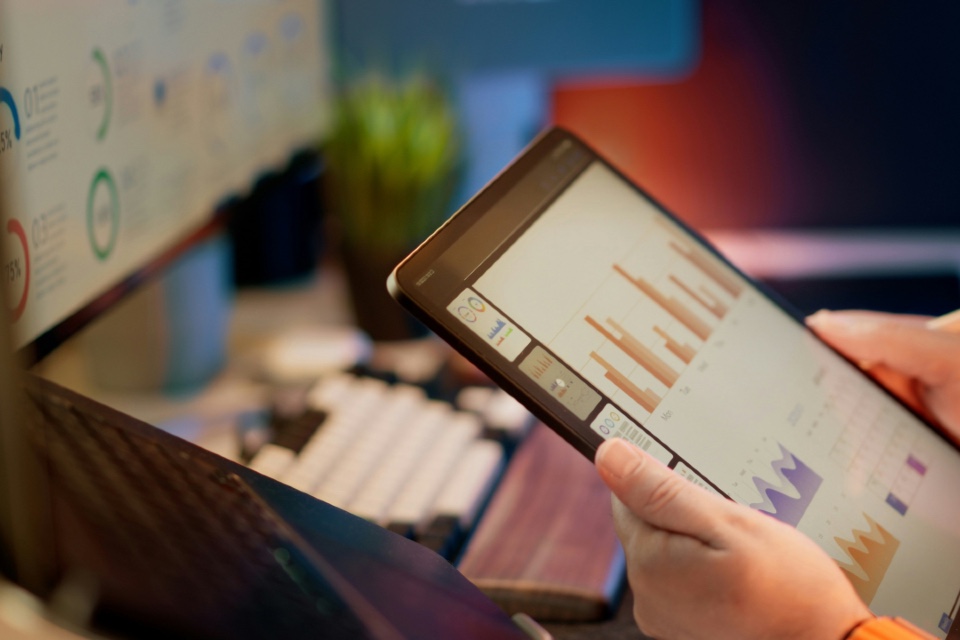
Staff also play an important role. Providing store associates with mobile devices or dashboards that display customer preferences and product information enables them to deliver more informed, human interactions that complement digital experiences.
The Business Case for Omnichannel Personalisation
Retailers investing in omnichannel personalisation are seeing benefits including higher conversion rates, increased basket value and stronger customer loyalty.
More importantly, connected customer experiences help brands respond to rising expectations from shoppers who want convenience, relevance and consistency across every channel.
The future of retail will not be defined by online versus offline. The winners in retail will be those that create one continuous, personalised journey, using accurate data and connected experiences to meet customers wherever they choose to shop.
Are you searching for personalisation solutions for your organisation? The eCommerce Forum can help!
Photo by GENERAL BYTES on Unsplash