





Choosing the right multichannel eCommerce solutions is one of the most important technology decisions an online retailer can make. With so many platforms and providers available, comparing integrations, marketplace connections and operational capabilities can quickly become overwhelming. The right solution should not only support today’s sales channels but also provide the flexibility, reporting and scalability needed to support future growth.
Understand Your Business Requirements
Before comparing platforms, identify how a multichannel solution will support your customer journey and day-to-day operations.
1. Customer Journey Mapping
Map the customer journey across every sales channel, from product discovery through to post-purchase support. Identifying each touchpoint helps determine where multichannel technology can improve the customer experience.
2. Inventory Synchronisation and Scalability
Review your current inventory management processes alongside future growth plans. The right platform should synchronise stock levels across all connected sales channels, helping to prevent overselling while supporting business expansion.
3. CRM and Marketing Integration
Evaluate how each solution integrates with your existing CRM, marketing automation and customer data platforms. Connected systems improve reporting, customer insights and personalised marketing activity.
Evaluating Multichannel eCommerce Solutions
Not all multichannel eCommerce solutions offer the same capabilities. When comparing providers, retailers should look beyond feature lists and consider how each platform supports operational efficiency, integrates with existing systems and scales alongside future business growth.
1. Industry Experience and Expertise
Look for providers with proven experience in your sector. An understanding of your products, customers and operational challenges helps ensure the solution is appropriate for your business.
2. Platform Features and Functionality
Consider whether the platform delivers the functionality your business requires.
Key capabilities may include:
- Product Information Management (PIM)
- Order Management Systems (OMS)
- Inventory synchronisation
- Marketplace integrations
- Reporting and analytics
- Marketing automation
Choosing a platform with the right combination of features can reduce operational complexity while supporting future growth.
3. Marketplace Connections and Scalability
As your business grows, your technology should grow with it. Assess how easily the platform connects with marketplaces such as Amazon, eBay and other online sales channels, while also supporting future integrations as your strategy evolves.
Security, Payments and Customer Data
Alongside functionality, retailers should carefully assess how each platform manages security, payment processing and customer data. Choosing a provider with robust security measures, reliable integrations and strong compliance standards helps protect both your business and your customers while supporting a seamless shopping experience.
1. Data Security and Compliance
Protecting customer data should be a priority. Ensure providers comply with GDPR and implement robust security measures to safeguard sensitive information.
2. Payment Integration
Look for platforms that integrate seamlessly with secure payment gateways, helping to create a smooth and reliable checkout experience.
3. Customer Support and Onboarding
Successful implementation depends on more than software alone. Evaluate the onboarding process, training resources and ongoing support available to ensure your team can use the platform effectively.
Popular Multichannel eCommerce Solutions
Several established providers support retailers with multichannel operations, each offering different strengths depending on business requirements.
- Rithum: Provides comprehensive multichannel management with strong marketplace integration, product listing management and order fulfilment capabilities.
- Linnworks: A cloud-based platform offering inventory management, order fulfilment and automation tools designed to support growing eCommerce businesses.
- Veeqo: Offers user-friendly inventory management, shipping and real-time reporting, making it well suited to small and medium-sized online retailers.
- Mirakl: Specialises in marketplace technology, enabling retailers to build and manage their own online marketplaces while expanding product offerings.
- Klaviyo: Although primarily a CRM and marketing automation platform, Klaviyo integrates with many eCommerce systems to deliver personalised customer communications using first-party data.
Choosing a Long-Term Technology Partner
The strongest multichannel providers deliver more than technology. Look for partners that also offer strategic support and ongoing optimisation.
- Strategic Planning: Choose a provider that can help develop a multichannel strategy aligned with your commercial objectives.
- Ongoing Support and Training: Regular training and responsive customer support help teams maximise platform capabilities as the business evolves.
- Reporting and Performance Optimisation: Real-time reporting and actionable insights enable retailers to monitor performance across channels and continually optimise operations.
Investing in a Scalable Multichannel Strategy
Selecting the right multichannel eCommerce solutions allows retailers to expand across multiple sales channels while maintaining operational efficiency and delivering a consistent customer experience.
By choosing a platform with strong inventory synchronisation, order management, CRM integration, marketplace connectivity and reporting capabilities, businesses can build a scalable multichannel strategy that supports sustainable long-term growth.
Are you searching for multichannel solutions for your organisation? The eCommerce Forum can help!
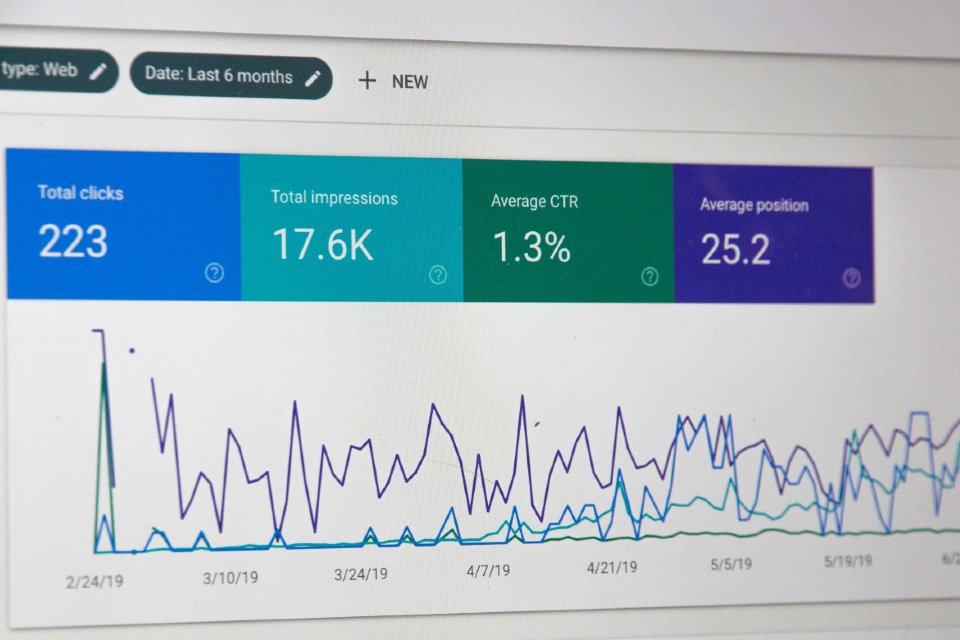
Photo by KOBU Agency on Unsplash