




For retailers and e-commerce businesses, customer loyalty is no longer a secondary concern; it is a commercial imperative. As acquisition costs continue to rise in 2026, leaders attending the eCommerce Forum are taking a closer look at the full value of a well-run loyalty programme, from purchase frequency to long-term advocacy. Understanding and actively managing these relationships can unlock meaningful revenue growth without compromising customer experience…
Breaking down the value stack
The business case for loyalty investment rests on three core elements:
- Purchase frequency (how often customers return)
- Average basket size (spend per transaction)
- Retention rate (duration of the customer lifecycle)
While some see loyalty as a fixed cost, there is significant scope for optimisation. Brands using integrated wallet communications see a +32% increase in frequency and an +18% rise in basket size. Critically, loyalty is 5x cheaper than acquisition, making it the most efficient lever for margin protection in a tightening market.
The role of omnichannel orchestration
Performance is increasingly determined by the communication layer. Siloed data leads to “loyalty fatigue” where rewards are irrelevant or forgotten. Modern orchestration allows brands to reach members via email, SMS, or WhatsApp at the exact moment of influence. This is particularly valuable for omnichannel retailers, where driving footfall and web traffic from a single programme requires seamless, real-time automation.
Loyalty-optimisation checklist for retailers
To transform loyalty from a back-end cost into a strategic driver, organisations should focus on:
- Audit your loyalty stack: break down enrolment and redemption rates to identify where engagement is highest.
- Optimise for mobile wallets: deploy digital cards via Apple and Google Wallet to ensure the programme is always “in-pocket”.
- Reward non-transactional data: recognise social engagement and reviews to build emotional, rather than just functional, loyalty.
- Leverage real-time insights: use dashboards to identify high-value segments and adjust reward rules dynamically.
- Align with CRM strategies: ensure loyalty data flows into your broader marketing stack to enable hyper-personalisation.
Turning loyalty into a strategic lever
Loyalty programmes will always carry a cost, but they should not be treated as a fixed expense. For retailers, the opportunity lies in actively managing engagement, data, and channel orchestration. By taking a more strategic approach, organisations can improve conversion and turn loyalty from a retention tactic into a driver of long-term profitability.
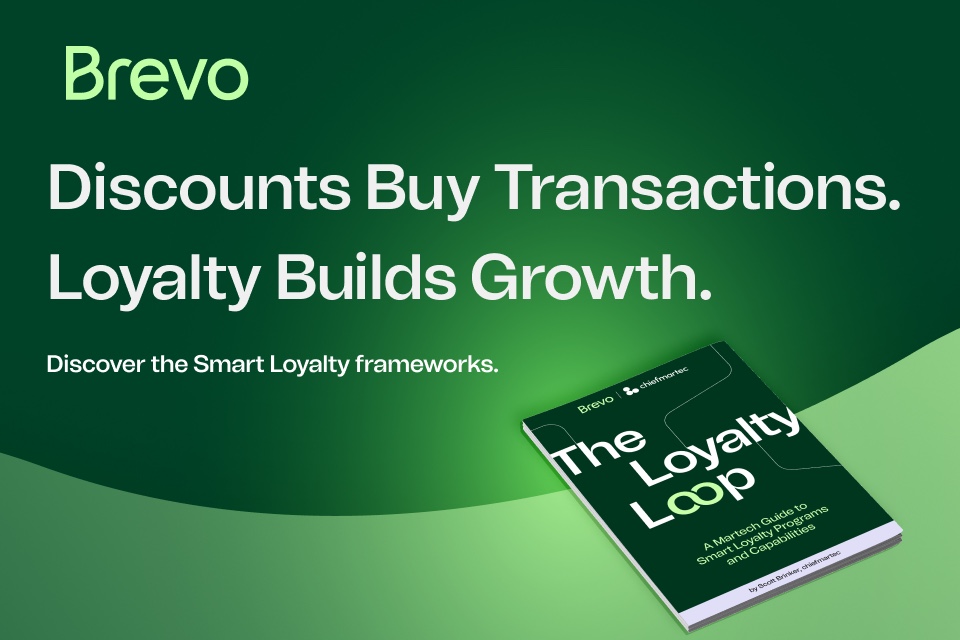
Are you searching for Loyalty Solutions for your organisation? Discover Brevo Loyalty today!