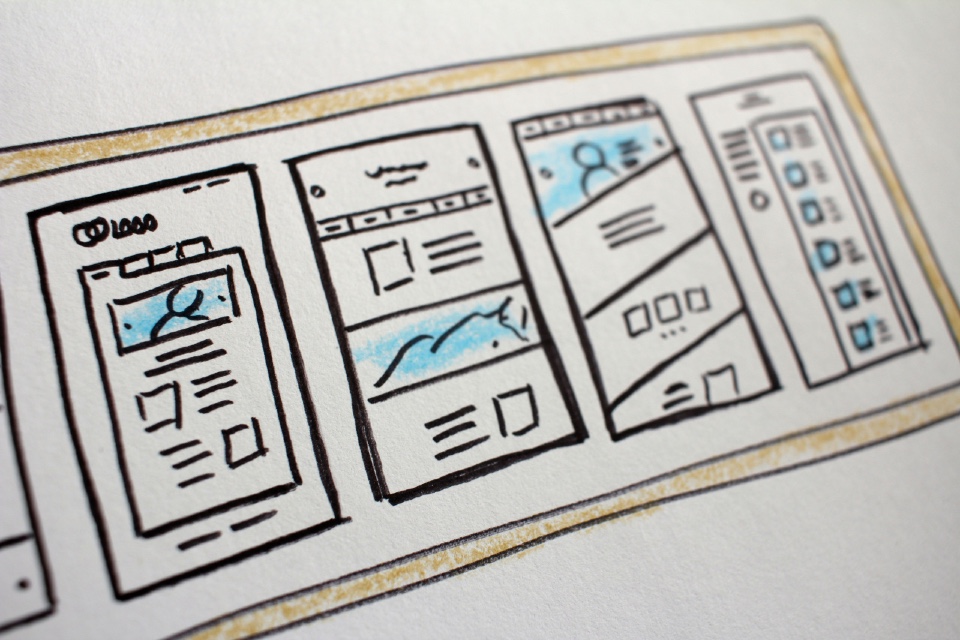






For direct-to-consumer brands, mobile is often the primary storefront. Yet many still face a persistent gap: strong mobile engagement but weaker mobile conversion. This is where eCommerce mobile optimisation becomes critical, helping brands remove friction, improve user experience and turn mobile traffic into revenue. The issue is rarely a lack of marketing investment. More often, it is friction in the journey that turns “mobile-first” into “mobile-frustrated”. The brands winning on mobile are those treating optimisation as a revenue discipline, not a design refresh.
Improving Mobile Performance to Protect Revenue
Speed remains one of the most expensive blind spots for D2C brands. Heavy imagery, unoptimised scripts, third-party tags and feature creep continue to slow page loads, particularly on mid-range devices and real-world networks.
For brands competing through paid social and other acquisition channels, performance directly affects profitability. Every additional second of load time can increase bounce rates, reduce engagement and waste valuable acquisition spend.
Effective mobile optimisation starts with ruthless prioritisation:
- Optimising Core Web Vitals
- Compressing and lazy-loading assets
- Auditing third-party tools regularly
- Designing experiences that load quickly before adding unnecessary features
Fast mobile experiences create a stronger foundation for every stage of the customer journey, from discovery through to checkout.
Making Mobile Navigation and Product Discovery Effortless
Mobile shoppers do not browse in the same way as desktop users. They scan, scroll and search with intent, often in short bursts. Yet many D2C websites still hide key categories behind complex menus or overwhelm visitors with unnecessary pop-ups.
High-performing brands simplify navigation, improve mobile search functionality and make product discovery frictionless. Clear category structures, sticky filters and fast-loading collection pages often outperform cluttered layouts when customers are ready to purchase.
A successful mobile experience should help shoppers find the right product quickly, without unnecessary steps or distractions.
Optimising Product Pages to Build Customer Confidence
Mobile product detail pages (PDPs) need to answer customer questions quickly: Is this the right product? Will it arrive on time? Can I return it if needed?
Too often, important details are buried below long scrolls or interrupted by intrusive overlays. Leading D2C brands use clear visual structures that prioritise:
- Concise product benefits
- High-quality imagery and video
- Customer reviews and ratings
- Clear sizing guidance
- Visible delivery and returns information
Rich content works best when it supports decision-making rather than distracting from it. The goal of mobile PDP optimisation is not simply to add more information, but to reduce uncertainty and help customers purchase with confidence.
Streamlining Mobile Checkout to Reduce Lost Revenue
The mobile checkout remains one of the highest-impact areas for optimisation. Even small amounts of friction can lead to basket abandonment, particularly when customers are completing purchases on smaller screens.
Mobile checkout best practice now includes:
- Guest checkout options
- Express payment methods
- Autofill-friendly forms
- Minimal checkout steps
- Clear reassurance around security, delivery and refunds
Brands that still require account creation, lengthy address entry or unnecessary validation steps risk losing customers at the final stage of the journey.
The strongest mobile checkout experiences create one clear path to purchase: simple, fast and reassuring.
Treating Mobile Optimisation as an Ongoing Growth Strategy
The strongest D2C operators treat mobile UX as a continuous optimisation programme rather than a one-off redesign project. Weekly testing, session replay analysis, funnel diagnostics and device-specific KPIs help teams identify where customers experience friction and where improvements can generate the greatest impact.
Mobile conversion is rarely fixed through a single redesign. It improves through consistent iteration, removing barriers step by step and using customer behaviour to guide decisions.
Turning Mobile Experiences Into Commercial Growth
For D2C brands, eCommerce mobile optimisation is no longer simply about creating a mobile-friendly website. It is about improving performance, simplifying customer journeys and maximising the value of existing traffic.
Brands do not win on mobile by adding more features. They win by making every interaction faster, clearer and easier for customers to complete. By focusing on speed, discovery, product confidence and checkout simplicity, retailers can create mobile experiences that improve conversion rates and support long-term growth.
Are you searching for mobile optimisation solutions for your organisation? The eCommerce Forum can help!
Photo by Luis Villasmil on Unsplash