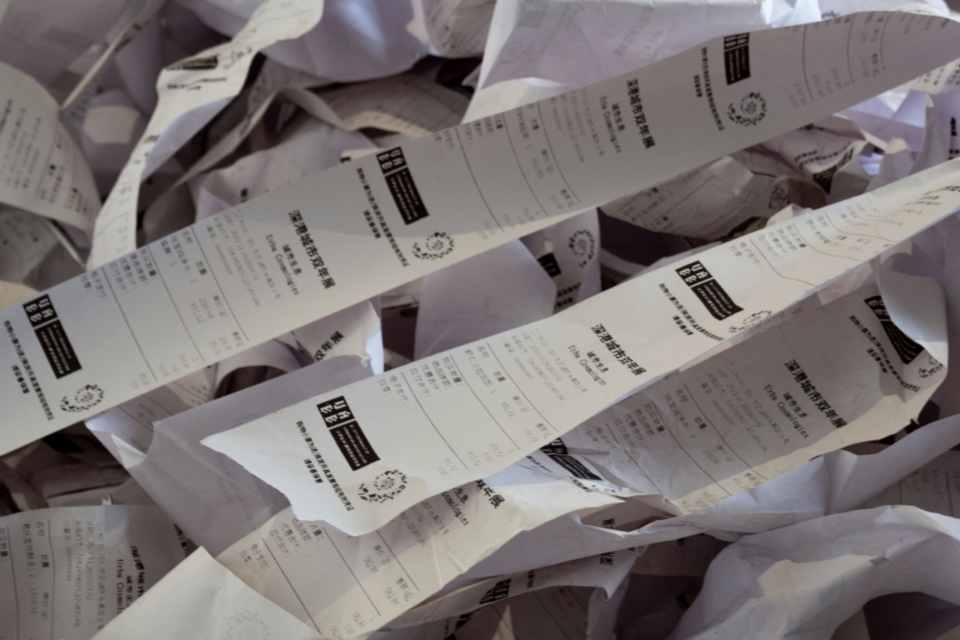



For the UK’s retailers and e-commerce businesses it goes without saying that card payments are essential, but they also represent a significant and often under-optimised cost centre. As margins tighten in 2026, leaders attending the eCommerce Forum are taking a closer look at the full cost of accepting cards, from interchange and scheme fees to authorisation performance and hidden inefficiencies. Understanding and actively managing these costs can unlock meaningful savings without compromising customer experience…
Breaking down the cost stack
Card payment costs are typically made up of three core elements:
- Interchange fees (paid to the card issuer)
- Scheme fees (set by Visa, Mastercard and others)
- Acquirer/processor fees (charged by payment providers)
While interchange is often seen as fixed, there is still scope for optimisation through transaction routing, data quality and payment configuration. For example, incorrectly classified transactions or missing data fields can result in higher interchange rates.
Approval rates and hidden revenue loss
Cost is not just about fees: it’s also about authorisation performance. Failed or declined transactions represent lost revenue, often without visibility into the underlying cause. Improving approval rates through better routing, retry logic and issuer relationships can have a direct impact on revenue, often outweighing small percentage savings on fees.
The role of routing and orchestration
Payment orchestration is becoming a key lever for cost control. By routing transactions dynamically between acquirers, merchants can optimise for lower fees, higher approval rates or specific regional performance.
This is particularly valuable for merchants operating internationally, where costs and issuer behaviour can vary significantly.
Leveraging data and insight
Modern payment platforms provide detailed reporting on transaction costs, performance and outcomes. Leading organisations are using this data to:
- Identify high-cost payment types or regions
- Optimise payment methods and acceptance strategies
- Negotiate more effectively with providers
Without this visibility, cost optimisation becomes guesswork.
Cost-reduction checklist for card payments
To manage and reduce card payment costs effectively, retailers should focus on:
- Audit your payment stack
Break down all fees (interchange, scheme and acquirer) to understand where costs are highest. - Optimise transaction data
Ensure all required data fields are passed correctly to avoid unnecessary interchange uplifts. - Improve authorisation rates
Analyse decline reasons and implement retry logic, smart routing and issuer optimisation. - Review routing strategies
Use multi-acquirer or orchestration solutions to route transactions more efficiently. - Negotiate with providers
Regularly benchmark fees and performance to ensure competitive pricing. - Align fraud and payment strategies
Overly strict fraud controls can reduce approval rates, so balance risk and conversion carefully. - Monitor performance continuously
Use real-time dashboards and reporting to track costs and identify optimisation opportunities.
Turning payments into a strategic lever
Card payments will always carry a cost, but they should not be treated as a fixed expense. For UK retailers, the opportunity lies in actively managing performance, data and supplier relationships. By taking a more strategic approach, organisations can reduce costs, improve conversion and turn payments from a back-end function into a driver of profitability and growth.
Are you searching for Card Payment Solutions for your organisation? The Smarter Payments Summit can help!
Photo by Ron McClenny on Unsplash