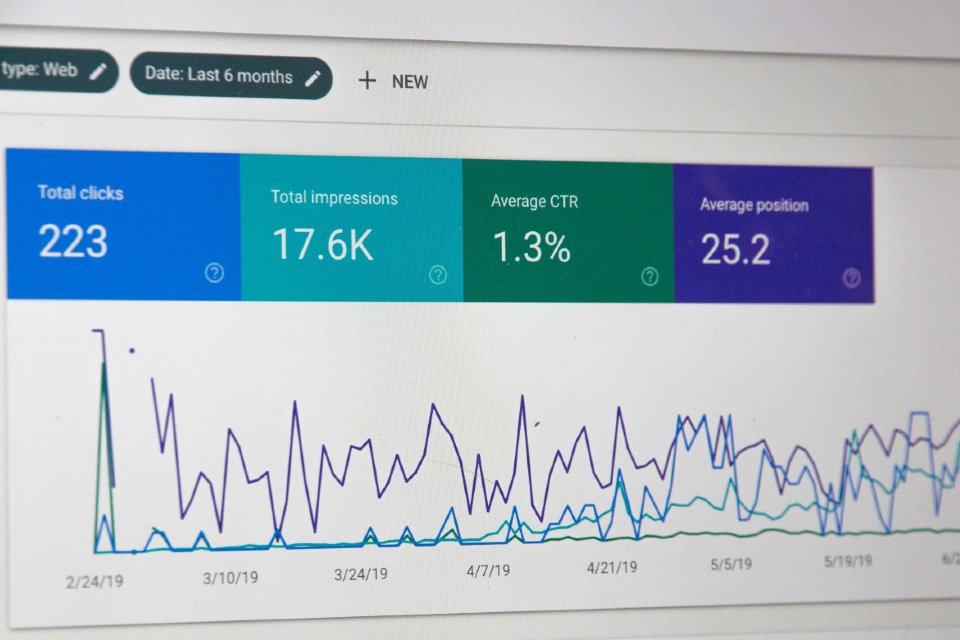





For the last decade, ecommerce discovery was a search problem with a clean solution. Win the category on Google, and you won the customer. Budget followed the ranking, and the funnel behaved itself.
That model is breaking, and not for the reason most brands think.
The obvious change is that discovery has scattered. Before a shopper buys from a brand they have just met, they cross half a dozen surfaces: a Google search, an AI answer, a Reddit thread, a YouTube review, a comparison article, a handful of ratings. By the time they reach your product page, the decision is mostly made, somewhere you were not watching.
The part that matters more is the part fewer brands have noticed.
The surfaces now feed each other
When a shopper asks ChatGPT or Gemini for the best option in your category, the answer is not invented. It is assembled from what the open web says about you: your reviews, the forum threads, the press coverage, the independent comparisons. AI recommendations are downstream of your reputation everywhere else.
Which means the most decisive surface in e-commerce, the AI shortlist a shopper actually acts on, is one you cannot buy your way into. It’s a recommendation that’s earned, built from your presence across all the places brands have long treated as “nice to have”.
A brand that is strong on Google but absent from the conversation around it will increasingly watch AI recommend someone else, with no line in any report to explain why.
What it means for your 2026/2027 plan
We have to stop thinking in single channels. The brands pulling ahead treat search, AI visibility, earned coverage and clean product data as one system, because that is now how they are read, as one system, by both shoppers and the models that advise them.
That is the work we care about most at Eskimoz, the global search agency. Find us at the eCommerce Forum on 9 July, and we will show you where your brand is found today (and where it is not).