





For large multi-brand retailers at the eCommerce Forum, A/B testing is becoming a core capability for driving growth across diverse customer journeys, brands and markets. But scaling experimentation across multiple brands introduces complexity that goes far beyond running individual tests. Success depends on building a structured, organisation-wide experimentation culture…
The challenge of scale and fragmentation
Multi-brand retailers often operate with decentralised teams, varied tech stacks and distinct brand identities. While this supports agility, it can also lead to fragmented testing efforts, duplicated work and inconsistent standards.
Without coordination, teams may test similar ideas in isolation or draw conflicting conclusions, limiting the overall impact of experimentation.
Establishing governance and standards
To scale effectively, leading organisations are introducing centralised governance frameworks. This does not mean restricting innovation, but rather creating consistency in how testing is approached. Key elements can include:
- Standardised testing methodologies and statistical approaches
- Clear guidelines on sample sizes, significance and test duration
- Shared documentation of hypotheses, results and learnings
A central experimentation team or “centre of excellence” can help define these standards while supporting brand teams.
Prioritising high-impact opportunities
At scale, not all tests are equal. Retailers must focus on high-impact areas such as checkout flows, pricing strategies, promotions and personalisation.
Structured prioritisation frameworks, based on potential revenue impact, effort and confidence, help ensure resources are directed where they will deliver the greatest value.
This is particularly important when balancing brand-specific initiatives with group-wide optimisation opportunities.
Enabling collaboration across brands
One of the biggest advantages of multi-brand operations is the ability to share insight and learnings. A test conducted on one brand can often inform decisions across others — if knowledge is effectively captured and distributed.
Shared experimentation platforms, internal knowledge hubs and regular cross-brand forums can help embed this collaborative approach.
Integrating technology and data
Scalable experimentation requires robust technology. Platforms must integrate with e-commerce systems, analytics tools and customer data platforms to ensure accurate measurement and seamless execution.
Equally important is data consistency. Aligning metrics and definitions across brands ensures that results are comparable and actionable.
Working with the right solution partners
Given the complexity of multi-brand environments, selecting the right experimentation platform is critical.
Retailers can prioritise solutions that offer:
- Scalability across multiple sites and brands
- Strong governance and permission controls
- Advanced targeting and personalisation capabilities
- Reliable statistical modelling and reporting
- Integration with existing tech stacks
Embedding a culture of experimentation
Ultimately, technology and frameworks are only part of the solution. Building a true experimentation culture requires buy-in across the organisation, from leadership to frontline teams.
This means encouraging curiosity, supporting data-driven decision-making and recognising that not every test will deliver a positive result.
From testing to transformation
For large multi-brand retailers, A/B testing at scale is now about continuous learning and improvement.
By combining governance, collaboration and the right technology, organisations can turn experimentation into a strategic advantage, driving consistent growth across brands while maintaining the flexibility to innovate in an increasingly competitive e-commerce landscape.
Are you searching for Card Payment Solutions for your organisation? The Smarter Payments Summit can help!
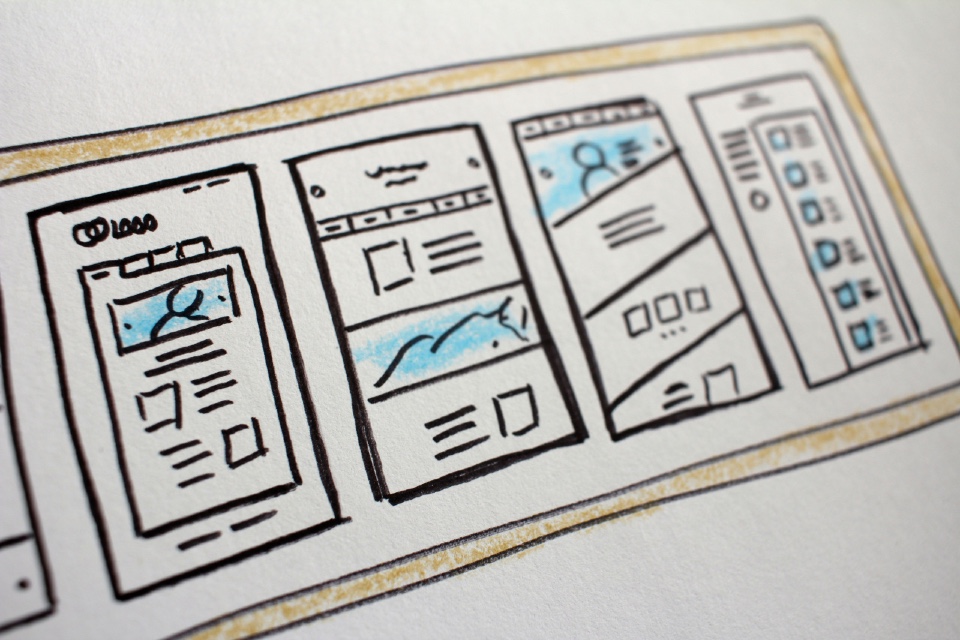
Photo by Jason Dent on Unsplash