




For many years, receipt and label printers have been seen as simple, behind-the-scenes technology which is necessary but offers little impact. This misconception has been slowly changing over the last few years. Today, receipts offer the opportunity to drive customer service, promotions and loyalty – whereas labels provide key information to consumers when purchasing goods, and to warehouse operatives transporting goods across supply chains.
Alongside this, in the case of receipt printing, cloud connectivity, automation and real-time data integration have become standard across retail, hospitality and logistics. These advancements have meant that printing technology now connects physical transactions with digital intelligence – offering a positive impact on workflow and operations. Similar thinking applies to label printing too, as mobile label printers can be used in warehouses and connected remotely to back-office systems.
Many businesses now see the important role that receipt and label printing technology plays in their operations. As business pressures increase and regulatory compliance becomes more stringent, organisations will also need to rethink how they print, manage and use receipts and labels, argues Paul Kim, Managing Director, BIXOLON Europe GmbH. Done correctly, it can have a positive impact on staff productivity, efficiency, visibility and customer satisfaction too…
The rise of cloud-connected and intelligent printing
Over the next 12 months, receipt and label printers will become intelligent endpoints in business ecosystems rather than standalone devices. This will be made possible through cloud connectivity, embedded servers and remote management tools, which are rapidly becoming core features. These solutions allow printers to be integrated with cloud POS systems and mobile devices, enabling direct printing without intermediary drivers or PCs. This transition to remote diagnostics and automatic updates will improve uptime and reduce on-site service needs.
This shift enables larger networks of devices – from self-service checkouts, to desktop and mobility printers – to operate cohesively. For multi-store retailers, franchisees and distributed warehouses, this unified infrastructure is vital to driving smarter, more sustainable operations at scale.
Smarter and more sustainable labelling
Over the last few years, sustainability has transitioned from a marketing buzzword to definitive action. Businesses are now reassessing both hardware and consumable consumption. This is no different when it comes to label and receipt printing. For example, consumers are increasingly leaning toward eco-friendly choices, and many regions are tightening disposal and recycling legislation. As a result, businesses have to adapt to meet these regulatory demands. Recyclable, biodegradable and linerless label technologies are growing in popularity, not only benefiting compliance strategies but also warehouse and distribution centre operations.
Other innovations in the market include the expansion of RFID and NFC-enabled labels. Both technologies are growing in popularity as they support product authentication, customer engagement and supply chain transparency when labels are connected to corporate networks and IoT connectivity systems. Not only this, but these data-rich labels also provide the opportunity for automated scanning, shipping, stock control and returns.
Technology’s impact on a seamless retail experience
AI and automation are continuing to have a significant impact on warehouse logistics, too, as RFID labels help automate the tracking of goods passing through supply chains.
Printing systems, in particular, are being improved, and not only from a production scale perspective but also in quality control. For instance, predictive maintenance and automated job set up has been proven to reduce downtime and waste, whilst improved quality control has helped ensure labels and receipts are printed correctly the first time.
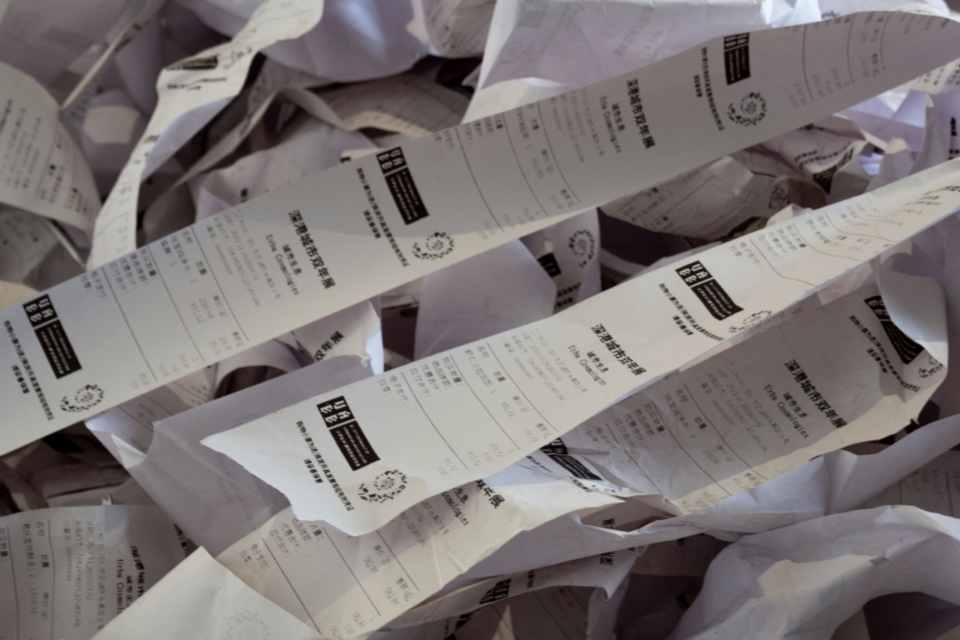
Looking at retailers and resellers in particular, receipts have a significant impact on the seamless experience felt by consumers. Receipts have become multi-functional with the assistance of cloud printing and mobile integration. Receipts can not only serve as proof of purchase, but also as a combination of return verification, marketing touchpoints and loyalty triggers too.
Over the years, digital receipts have become an increasingly popular choice for sustainably driven consumers. However, this is not always possible, with many European regions still legally required to provide physical receipts. Many retailers are now adopting a hybrid approach, offering consumers the choice between printed, emailed or both, to ensure regulatory needs are met, and consumers are satisfied with their choice.
Conclusion
Clearly, the perception of receipt and label printers has moved on from being seen as a basic operational tool to something that can have a positive impact on meeting wider business objectives and requirements. Such as supporting customer retention and loyalty with offers printed on receipts.
As such, continued advancements have seen printing technology become the perfect blend of reliability, innovation and scalability over the last couple of years, and they will continue to do so as technology evolves. The companies that use and implement printing technology as a strategic touchpoint across their business will become the ones that can adapt to change, optimise operations and remain competitive in an increasingly connected marketplace.