




For the UK’s mid-market DTC brands, payment strategy in isn’t a back-office decision. The mix of wallets, account-to-account options and ‘pay later’ products has a direct impact on conversion, fraud exposure, customer acquisition costs and repeat purchase rates. The challenge is choosing the right alternatives without turning checkout into a confusing menu…
Start with the job-to-be-done: Speed, trust or flexibility
Alternative payments typically win for one of three reasons:
- Speed: fewer fields, faster checkout, especially on mobile
- Trust: customers feel safer using a familiar wallet or bank flow
- Flexibility: spreading cost can increase average order value (AOV)
Mid-market DTC brands should map payment methods to customer intent and basket profile. If your customers are mobile-first and repeat buyers, wallets can be a conversion lever. If you sell higher-ticket items, BNPL may lift AOV, but can also introduce operational complexity and returns-related risk.
Wallets: The low-friction default
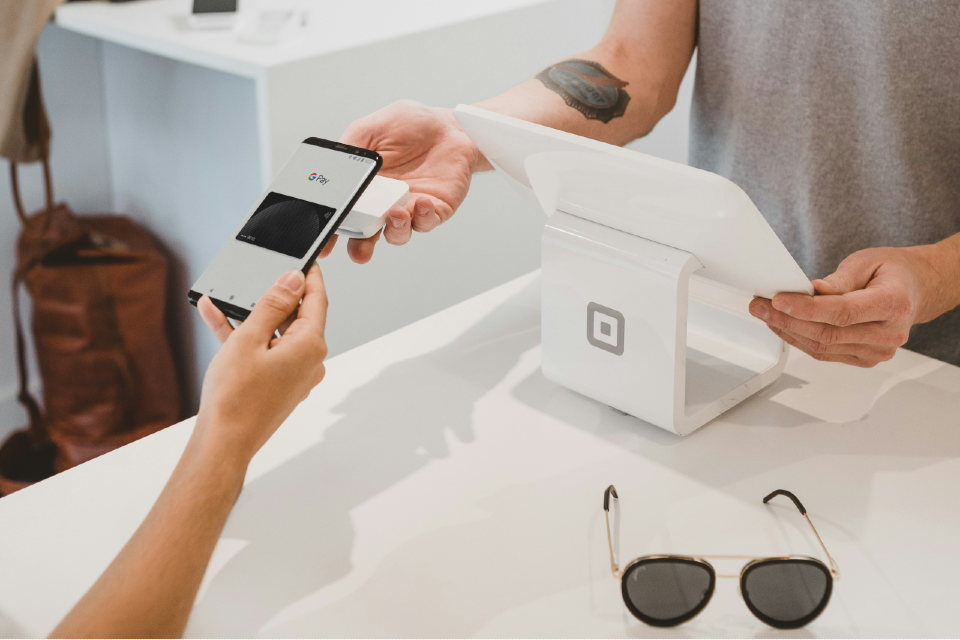
Digital wallets (card-based wallets and platform wallets) are becoming a baseline expectation rather than a differentiator. For DTC, they’re often the simplest ‘alternative’ to implement because they sit on existing card rails while reducing friction at checkout.
Best practice is to treat wallets as performance tools: monitor wallet-specific conversion rates, authorisation rates and fraud/chargeback outcomes. Many brands miss this by lumping wallet performance into generic ‘card’ reporting.
Account-to-account payments: promising, but design matters
Account-to-account (A2A) payments (enabled via open banking-style flows) can reduce costs and chargeback exposure in some cases, but only if the experience is well designed and the method is used in the right context.
For mid-market DTC, A2A tends to perform best for:
- higher-value baskets where customers want reassurance and security
- repeat customers who are comfortable with bank-based flows
- categories with higher chargeback risk where bank transfer certainty helps
Best practice is to position A2A thoughtfully (not as the first option for every user) and to be clear about settlement times, refunds and customer support processes.
BNPL: Growth lever or margin trap?
BNPL can increase conversion and AOV, particularly for aspirational categories. But for DTC brands, best practice is to evaluate BNPL through a wider operational lens: fees, refund workflows, returns behaviour, fraud patterns and customer service impact.
The strongest brands treat BNPL as a segmented offer, not a blanket one. They may limit it by basket size, customer history, product category or risk signals, and they ensure the returns journey is watertight, with clear comms to avoid disputes.
Keep checkout simple — and measure everything
The rule for 2026 is clarity: offer the payment methods that serve your customers, remove those that don’t, and avoid overwhelming choice. Use A/B testing, track method-level performance, and review the mix quarterly, because what works for your brand today may change as your customer base and product strategy evolves.
For mid-market DTC, alternative payments aren’t about offering everything. They’re about offering the right methods, in the right order, for the right customers.
Are you searching for E-Payment solutions for your organisation? The eCommerce Forum can help!
Photo by Clay Banks on Unsplash